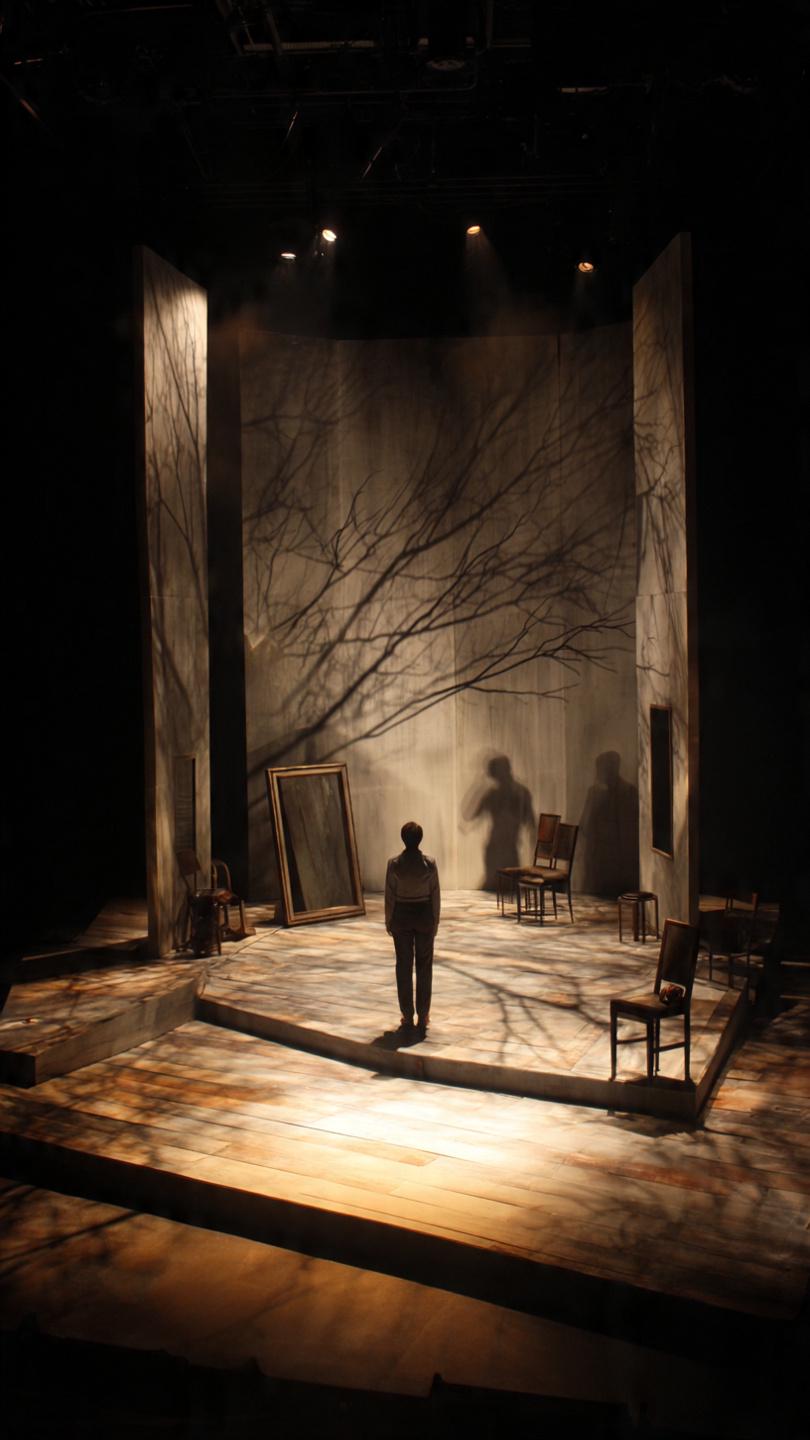
On nature, connection, and the invisible mechanisms that bind us Artists and actors have always been translators of the invisible. Through color, movement, sound, and story, they give shape to emotions and systems we sense but struggle to name.
They help us see the world not as a collection of separate parts, but as a living, breathing network of connections. Artists observe nature closely—not just landscapes and animals, but human nature itself. A painter studies light the way a scientist studies cells. A songwriter listens for patterns in heartbreak and hope.
An actor steps inside another life to reveal motivations, fears, and contradictions that mirror our own. In doing so, they reflect the hidden mechanisms that govern both the natural world and human relationships: cause and effect, rhythm and balance, tension and release. Actors, in particular, allow us to safely experience lives we have not lived. By embodying different perspectives, they expand our emotional intelligence. We begin to understand why people act the way they do, how circumstances shape behavior, and how deeply interconnected we are. One character’s choice ripples outward—just as it does in real life.
Art reminds us that nothing exists in isolation. A single brushstroke depends on the canvas beneath it. A performance relies on the presence of an audience. Nature works the same way: ecosystems thrive on interdependence, not dominance.
Artists instinctively understand this and invite us to remember it. In a world increasingly driven by speed, data, and productivity, artists and actors slow us down. They ask us to look again. To feel more deeply. To notice patterns we’ve ignored. They reconnect us to wonder—and through wonder, to empathy. Ultimately, art doesn’t just decorate our lives. It explains them. It helps us sense the quiet threads tying us to one another, to nature, and to something larger than ourselves.